In the contemporary digital economy, phenomena such as OnlyFans and online casinos have emerged as representative symbols of a profound shift in the dynamics of consumption and entertainment. Both business models, while seemingly disparate, share a focus on economic seduction, where users are lured by the promise of immediate reward, whether through personal interaction or the potential for monetary gain.
This article examines how these platforms, anchored in the attention economy, transform traditional relationships between consumers and creators, merging entertainment with direct monetization models.

General topic: Monetization of desire and gambling on the Internet
The monetization of desire and online gaming has become one of the keys to economic success in the digital world. On platforms like OnlyFansPeople pay to interact exclusively with content creators, where personal appeal and constant attention are what generate profit. Users seek access to material or moments they can't get elsewhere, making these personal connections a valuable commodity.
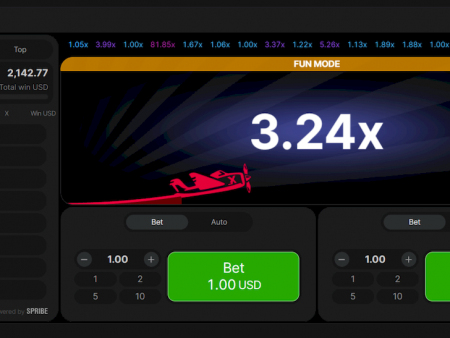
On the other hand, online casinos work by exploiting the thrill of risk and the possibility of earn money Easy. The promise of big prizes attracts players, even if the odds aren't always in their favor. These platforms use addictive gameplay and quick rewards to keep people playing.
Both cases show how the desire to interact with others or to make quick profits has become a way to make money in the digital world. Thanks to the ease of accessing these platforms and making payments, instant gratification has become a profitable business.












Business models of OnlyFans and online casinos
The business models of OnlyFans and online casinos, although different in nature, share key strategies that make them lucrative phenomena in the digital economy. OnlyFans It's based on a subscription system, where users pay a monthly fee to access exclusive content from creators. Additionally, the platform allows for additional revenue through private messages and tips, maximizing creators' earnings by offering a more personalized level of interaction.
Online casinos, on the other hand, rely on a microtransaction-based model, where users deposit real money to participate in games of chance. The structure of these sites is supported by bonus systems, promotions and loyalty programs that encourage players to continue betting.
In short, both OnlyFans as online casinos use models that take advantage of digital accessibility and the desire for instant gratification. While OnlyFans By monetizing personalized content and direct interaction, online casinos benefit from the momentum and excitement generated by gaming, both adapting to online consumer behaviors to maximize their revenue.








User psychology
The psychology of users of platforms such as OnlyFans and online casinos is deeply influenced by factors such as the desire for instant gratification, the search for excitement, and the sense of control. In the case of OnlyFansUsers are attracted by the opportunity to access exclusive, personal content, which offers them a direct connection with the creators. This sense of intimacy and exclusivity strengthens the relationship between user and creator, fostering loyalty that often translates into recurring payments and additional donations.
In online casinos, player psychology revolves around the thrill of risk and the possibility of financial reward. The addictive nature of gambling is based on the variable reinforcement system, where rewards are unpredictable, but potentially high. This type of system is highly effective in keeping players engaged, as the expectation of winning generates a cycle of repetitive behavior. Online casinos also take advantage of the sense of control that many players believe they have, through strategies such as gamification and the possibility of making decisions during the game, although the final result always depends on chance.
The influence of OnlyFans in contemporary culture
OnlyFans It has had a significant impact on contemporary culture by redefining the dynamics of content creation and the relationship between creators and consumers. This platform has allowed thousands of people to monetize their content, especially in the adult entertainment sector, without relying on traditional intermediaries.
On a social level, OnlyFans It has challenged cultural norms regarding explicit content, sparking debates about online sexualization and personal empowerment. Some see it as a tool for economic independence and freedom of expression, while others criticize it for its potential to perpetuate dynamics of exploitation and objectification. Furthermore, the platform has expanded the concept of digital celebrity, where personal appeal and an intimate connection with audiences play a central role in a creator's success, moving away from the traditional model of media fame.
Moral dilemmas related to OnlyFans
The moral dilemmas surrounding OnlyFans are a topic of debate in contemporary society, especially when it comes to the participation of popular figures such as Nicole Dobrikov, Mike Adriano, Elena Kamperi, and Lana Rhoades. These creators, who have achieved significant notoriety on the platform, exemplify how explicit content has become a profitable way to generate income.
On the one hand, it is argued that platforms such as OnlyFans They give creators complete control over their image and content, which could be interpreted as a form of empowerment. However, concerns also arise about the potential normalization of sexualization, especially among young and impressionable audiences. The presence of celebrities like Lana Rhoades and creators like Nicole Dobrikov and Elena Kamperi, who have built their careers largely through explicit content, reinforces the idea that financial success is linked to the exploitation of the body and intimacy. This narrative can create social pressures on users, especially those who see this model as a fast track to notoriety or financial stability.


Technological innovation
Technological innovation has been a crucial factor in the growth of both OnlyFans as well as online casinos, facilitating the creation of more accessible, interactive and secure platforms for users. In the case of OnlyFansLive streaming technology, advanced direct messaging options, and content personalization have enabled greater interaction between creators and subscribers, increasing user engagement and loyalty. Additionally, the use of secure payment tools and optimized content management systems has simplified monetization for creators while protecting their privacy and security.
At online casinos, technology has revolutionized the gaming experience with the implementation of artificial intelligence, advanced algorithms, and virtual reality. These advancements have made it possible to offer more personalized and immersive gaming experiences. Algorithms adjust the game offering and bonuses based on user behavior, improving player retention. In addition, blockchain technology has begun to be adopted to ensure transparency in transactions and ensure that game results are fair and verifiable, which increases user trust in the platforms.
Income in OnlyFans and the turnover of funds in the online casino industry
In the case of OnlyFansCreators can generate income through various channels, including monthly subscriptions, pay-per-view content, and direct tips. Key figures on the platform, such as popular content creators, can earn significant sums, with some exceeding millions of dollars annually.
In the case of online casinos, the turnover rate is equally impressive. These platforms benefit from a constant flow of deposits and withdrawals from players, who participate in various games of chance, from slots to poker tables. The implementation of microtransactions and loyalty bonuses ensures that users continue to invest in the platforms, generating a continuous economic cycle. The speed of transactions, facilitated by instant payment systems and cryptocurrencies, has also contributed to an increase in the turnover rate, allowing players to quickly participate in new games or events without the delay of traditional payment methods.